Post scarcity
post scarcity is not “everyone gets a yacht” lol.
its more like: people stop living in artificial shortages for basic stuff.
i keep coming back to this: we don’t have a resource problem on many civic issues, we have a coordination / incentive / legibility problem. im hoping ai will solve a lot of it in the future…
if i had a city wallet, id spend it on things no one can reasonably hate:
- potholes. just fix them fast.
- free parking in places where people actually need to park (or at least heavily subsidized)
- guaranteed food for homeless ppl
- insulin coverage for anyone who gets screwed by the insurance maze
- repaint + repair kids playgrounds regularly
- powerwash + restore old cemetery tombstones
- sewage systems
- clean drinking water + filtration
- soap in every public bathroom, all the time
- vaccines + antibiotics + anesthesia access
- seat belts + smoke alarms everywhere they should be
- public libraries that stay funded
- right to an attorney
- standardized measurement (mL, $, time) so systems interoperate
- telephone communication + satellite cellular so no one is stranded
- live translation so language isnt a service lock
- glasses / lasik so ppl can literally see
- birth control access, obvious reasons
boring list, yes. thats kindaa the point.
these are high-trust interventions.
what i actually want though is not just “spend better”, its make spending legible. like if opengov was open
public dashboard, realtime:
- what was funded
- where
- by who
- for how much
- with what before/after outcome
how we can track a burrito on doordash in real time but not municipal spending? cmon lol
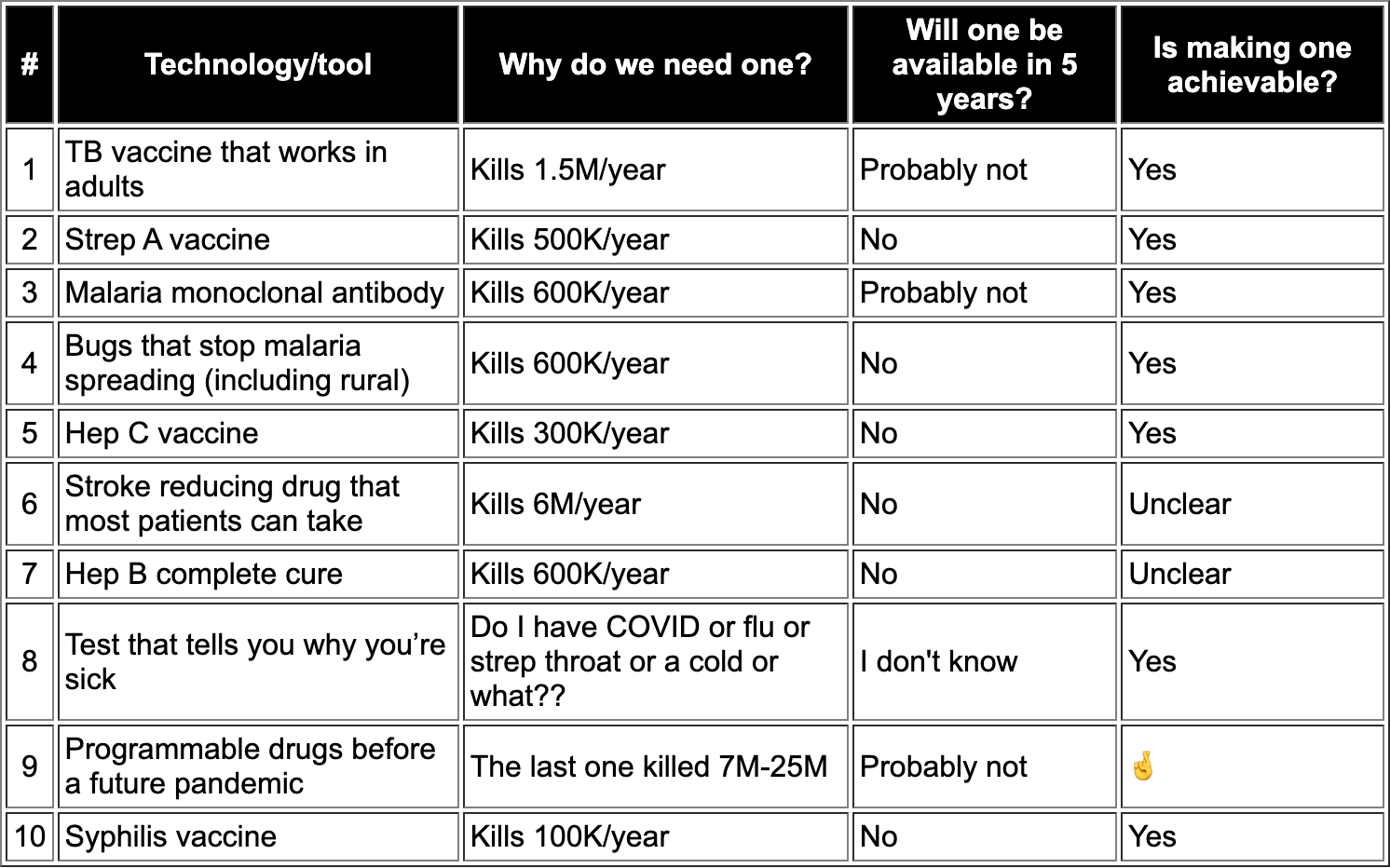
inspo:
https://blog.jacobtrefethen.com/footnotes-to-10-tech/